
Floyd Sneed kept time for one of the biggest rock bands of the early 1970s. But his story goes far beyond any concert stage. It stretches back into the early Black settler communities of Alberta, Canada — a history that is just as significant as anything he recorded.
This article covers who Floyd Sneed was, his role as the founding drummer of Three Dog Night, his Calgary roots, his family’s connection to Amber Valley, and why his life matters to both music history and Black Canadian history.
Who Was Floyd Sneed?
Floyd Chester Sneed was a Canadian musician, best known as a drummer. He was born on November 22, 1942, in Calgary, Alberta, Canada. He passed away on January 27, 2023, at the age of 80.
He was not a lead singer. He was not a solo recording artist with a major catalog of his own. He was a drummer — and a very good one. His identity in nearly every public record, obituary, and memorial page is tied to that role.
Sneed grew up in a musical family. His interest in drums developed early in his life, though the finer details of his childhood are not extensively documented in available public sources. What is confirmed is that music was part of his world from the beginning.
Floyd Sneed’s Role in Three Dog Night
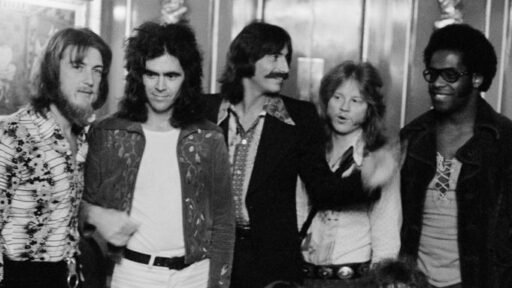
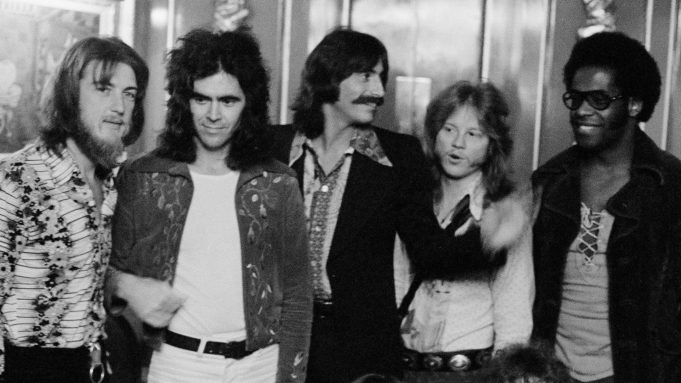
Most people who recognize the name Floyd Sneed know it through one connection: Three Dog Night. He was an original, founding member of the band, which formed in the late 1960s and became one of the most commercially successful rock acts of that era.
Three Dog Night had a distinct sound — polished, radio-friendly rock with strong vocals and tight arrangements. The band was known for putting out hit after hit during its peak years. Songs like “Joy to the World” and “Mama Told Me Not to Come” became genuine cultural fixtures, the kind of songs that still get played on classic rock stations today.
Sneed’s drumming was central to that sound. A rock band’s drummer is the engine of the whole thing. He sets the pace, holds the structure together, and gives every song its physical drive. Sneed did that job well enough to be part of one of the era’s most recognized groups.
It is worth being clear about what the public record shows. He was a band member — a founding one — not the group’s frontman or lead voice. Three Dog Night had multiple vocalists, and the band’s identity was collective. His contribution was real and documented, but readers looking for a large solo discography will not find one. His legacy is rooted in his band work.
His Calgary Roots and Family Background
Floyd Sneed was born and raised in Calgary, Alberta. His parents were Willa Sneed (née Carothers) and Napoleon Sneed, as confirmed in his published obituary.
Calgary’s Black community in the mid-20th century was small. It existed within a broader Canadian social landscape that, like many places, carried its own complicated racial history. Growing up Black in Calgary during the 1940s and 1950s was not the same experience as growing up in a large American city with a more visible Black cultural presence.
That background gave Floyd Sneed a distinct identity within Three Dog Night. He was a Canadian in an American rock band. His roots were in a city and a community that most of his band’s American audience would have known little about.
Public sources confirm his parents’ names and his birthplace. Beyond that, detailed information about his private adult life — relationships, children, or extended family — is not well documented in the available public record. This article does not speculate on those details.
The Amber Valley Connection and Black Alberta History
This is where Floyd Sneed’s story takes on a dimension that reaches well beyond music.
His family’s history is connected to Amber Valley, a historic Black settlement in Alberta. That connection is confirmed in his obituary and in tribute posts that appeared after his death.
Amber Valley was established in the early 1900s. Many of the settlers who built it were Black families who had emigrated from Oklahoma. They came looking for land and a chance to live free from the racial violence and discrimination that defined life in parts of the American South and Midwest at that time. They came to Canada because it seemed to offer something different.
These families cleared land, built homes, started farms, and created a community. It was not an easy life. The Canadian prairies were harsh, and Black settlers faced their own forms of discrimination in Canada as well. But they stayed, and they built something lasting.
The Sneed family was among the early Black families to settle in Alberta. That history places Floyd Sneed in a lineage that predates his music career by generations. It connects him to a story of migration, resilience, and community-building that researchers and readers focused on Black Canadian heritage have a genuine interest in understanding.
His obituary and tribute sources reference this settlement history directly. It is not a minor footnote in his biography. For many people in Alberta’s Black community, the Amber Valley connection carries real meaning. It represents family, history, and identity.
How Public Records Remember Floyd Sneed
For anyone searching for Floyd Sneed — whether out of musical curiosity or family-history interest — the public record is consistent, if not exhaustive.
Sources including Wikipedia, his Calgary Herald obituary, Legacy.com, and Find a Grave all confirm the same core facts: his birth date, his death date, his Calgary birthplace, his role as a founding drummer of Three Dog Night, and his family’s connection to early Black settlement in Alberta.
These sources agree with each other. That kind of consistency is actually meaningful when you are trying to verify someone’s basic biography. It means the foundation is solid.
What those sources do not provide is a deep personal biography. Like many working musicians of his era, Floyd Sneed’s private life was largely his own. The public record documents his career and his heritage. It does not offer much about his day-to-day life, personal relationships, or inner world.
That is worth acknowledging honestly. Readers searching for genealogy connections or looking to learn about his family tree will find helpful context in his heritage background, but should not expect detailed documentation beyond what obituaries and memorial sources confirm.
For music fans, the legacy is clear. For those interested in Black Canadian history, the Amber Valley connection gives his life a historical weight that stands entirely on its own.
If you are interested in reading more stories about people whose lives sit at the intersection of culture, history, and community, OpenBizMag covers profiles and perspectives worth exploring.
Why Floyd Sneed’s Story Still Matters
Floyd Sneed lived two stories at once. The first was the story of a drummer who helped build the sound of a major American rock band during one of popular music’s most commercially rich decades. The second was the story of a man whose family carried a piece of Black Canadian history — a history of settlement, survival, and community that stretches back over a century.
Neither story cancels out the other. Together, they make him more interesting, not less.
He passed away in January 2023. He was 80 years old. The sources that remember him do so with respect — as a musician, as a Calgary native, and as someone connected to a meaningful chapter in Alberta’s history.
That is a complete enough picture to understand why his name still comes up, and why it deserves a straight, careful answer when it does.
Read Also: